The Junk Drawer — From Brand to Place

The Junk Drawer is a hands-on store experience where visitors transform discarded objects and forgotten toys into new creations.

What began as a graphic identity and visual concept evolved into a fully realized 3D environment, exploring how the original world could function as a physical space through environmental design, wayfinding, interactive signage, and branded touchpoints.

Watch the walkthrough
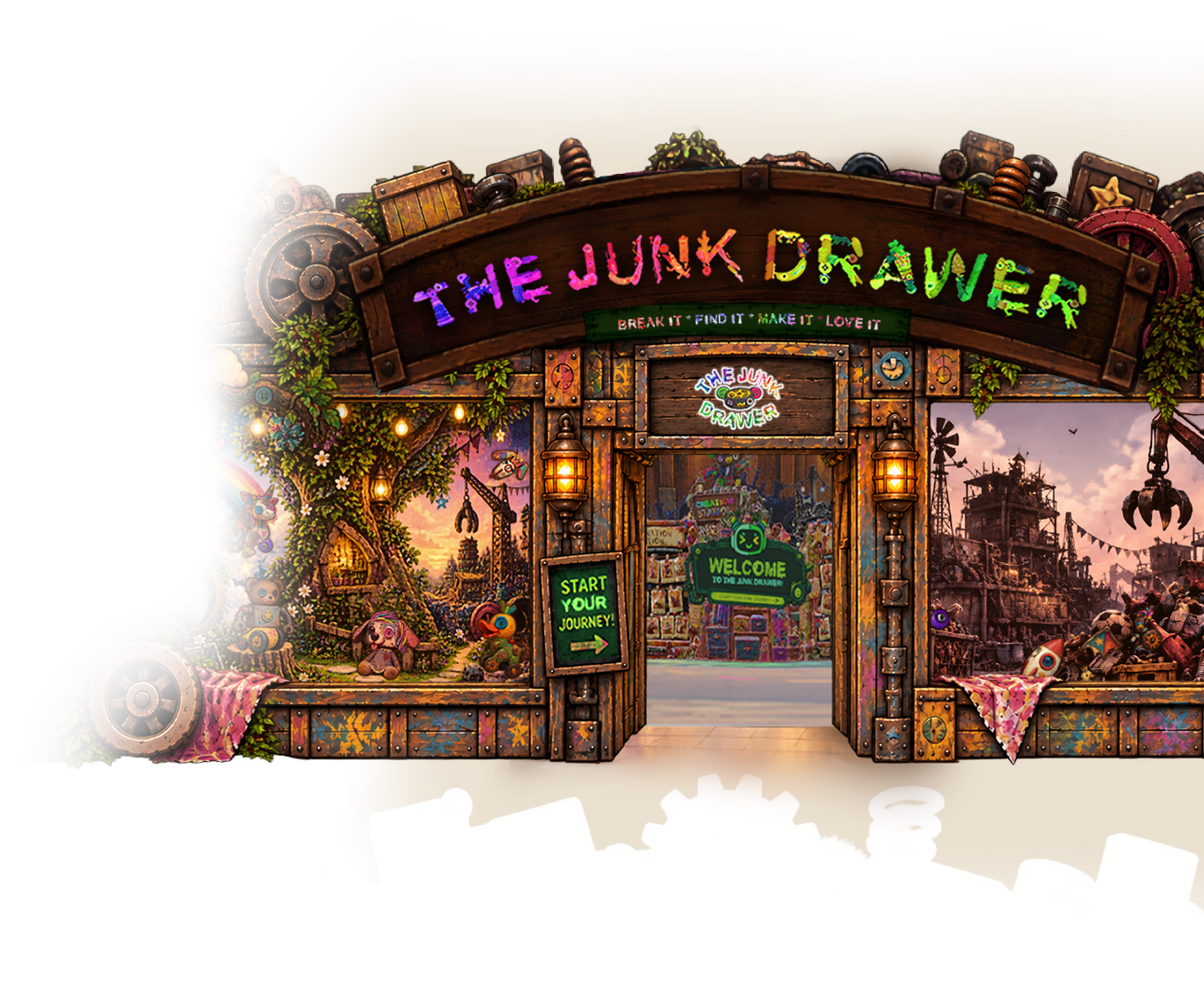
Illustrated entrance to The Junk Drawer experiential store
Watch the walkthrough

Project Overview

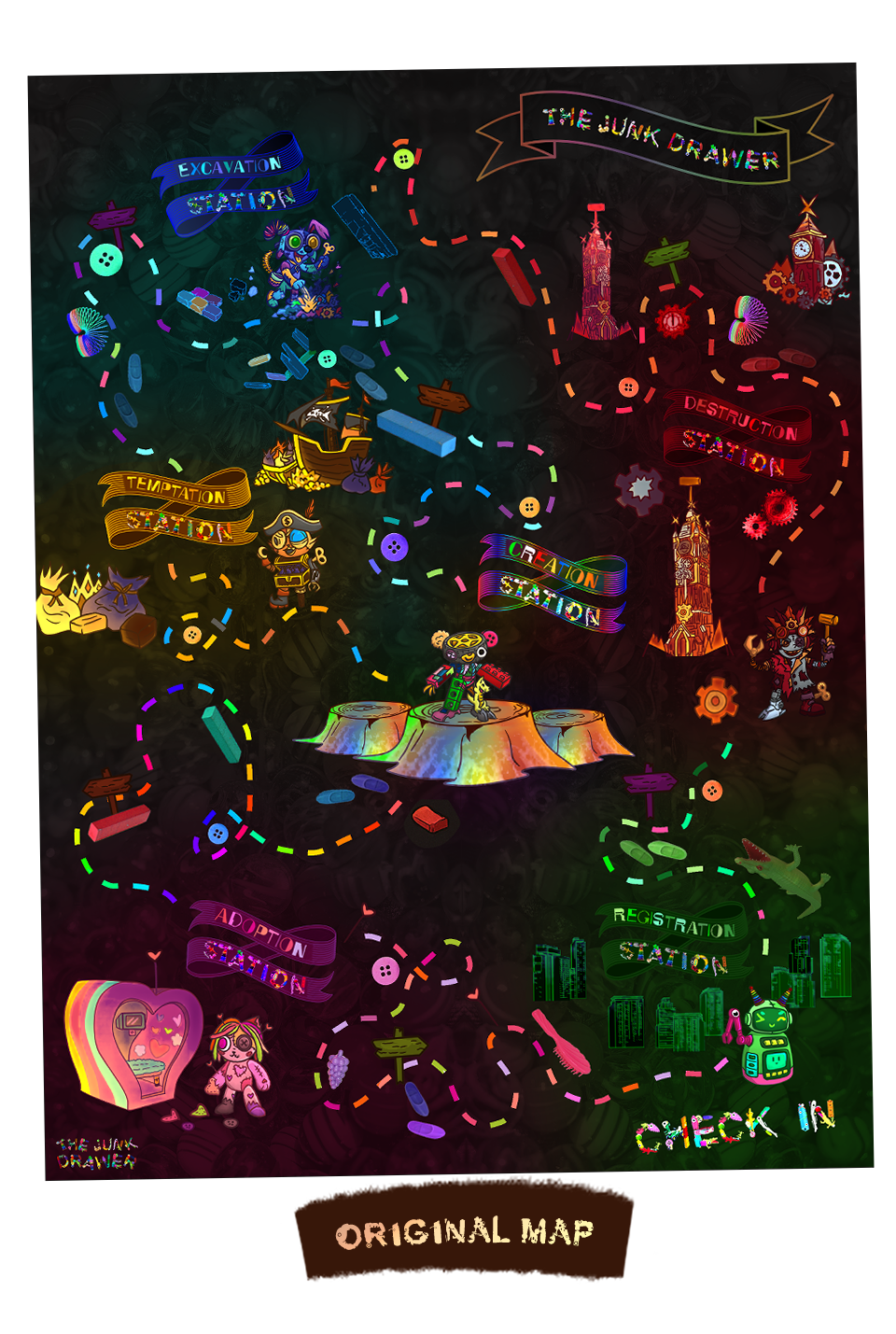
Original concept map for The Junk Drawer, showing the six-station visitor journey.
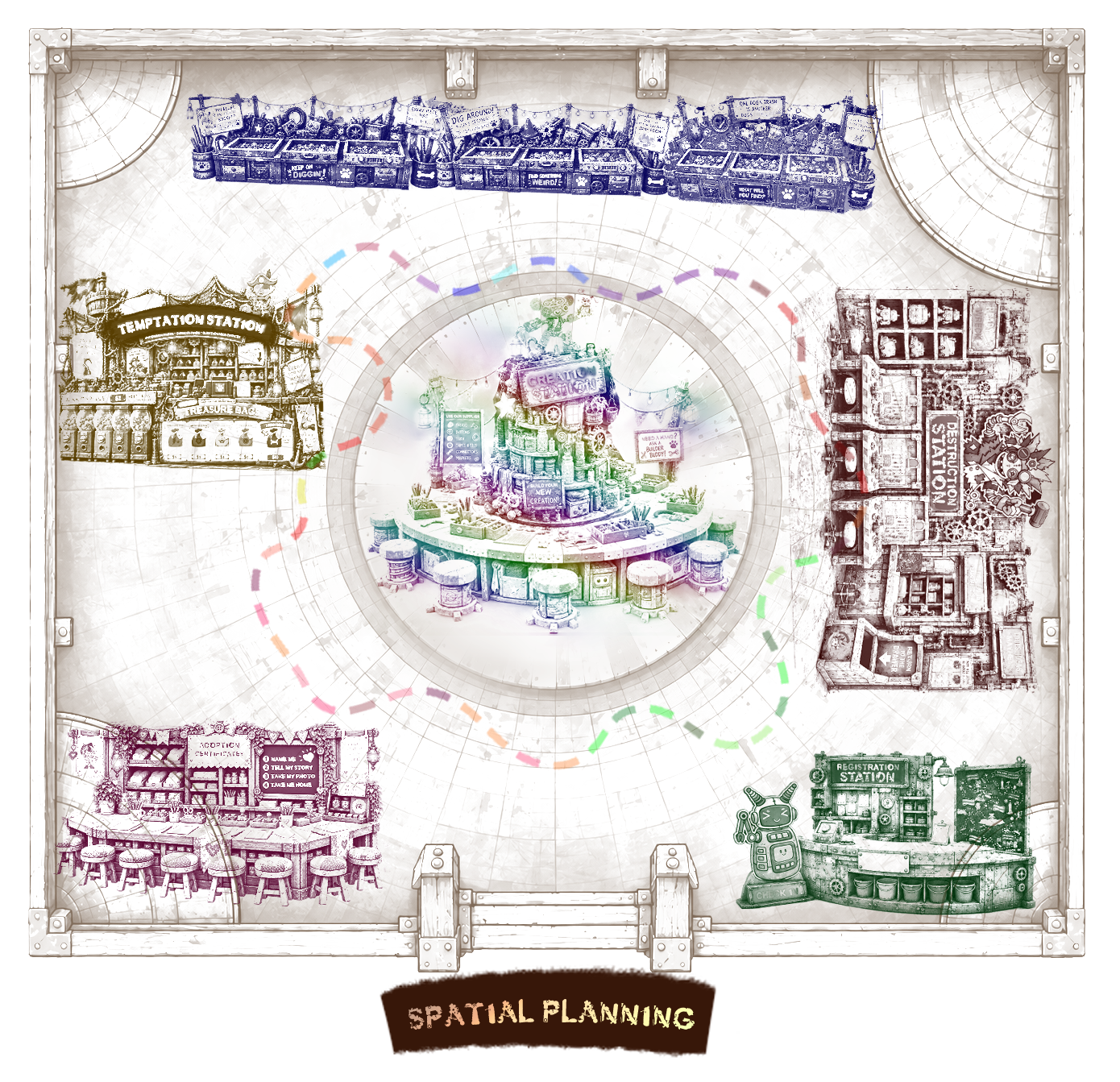
Spatial planning diagram for The Junk Drawer store environment.
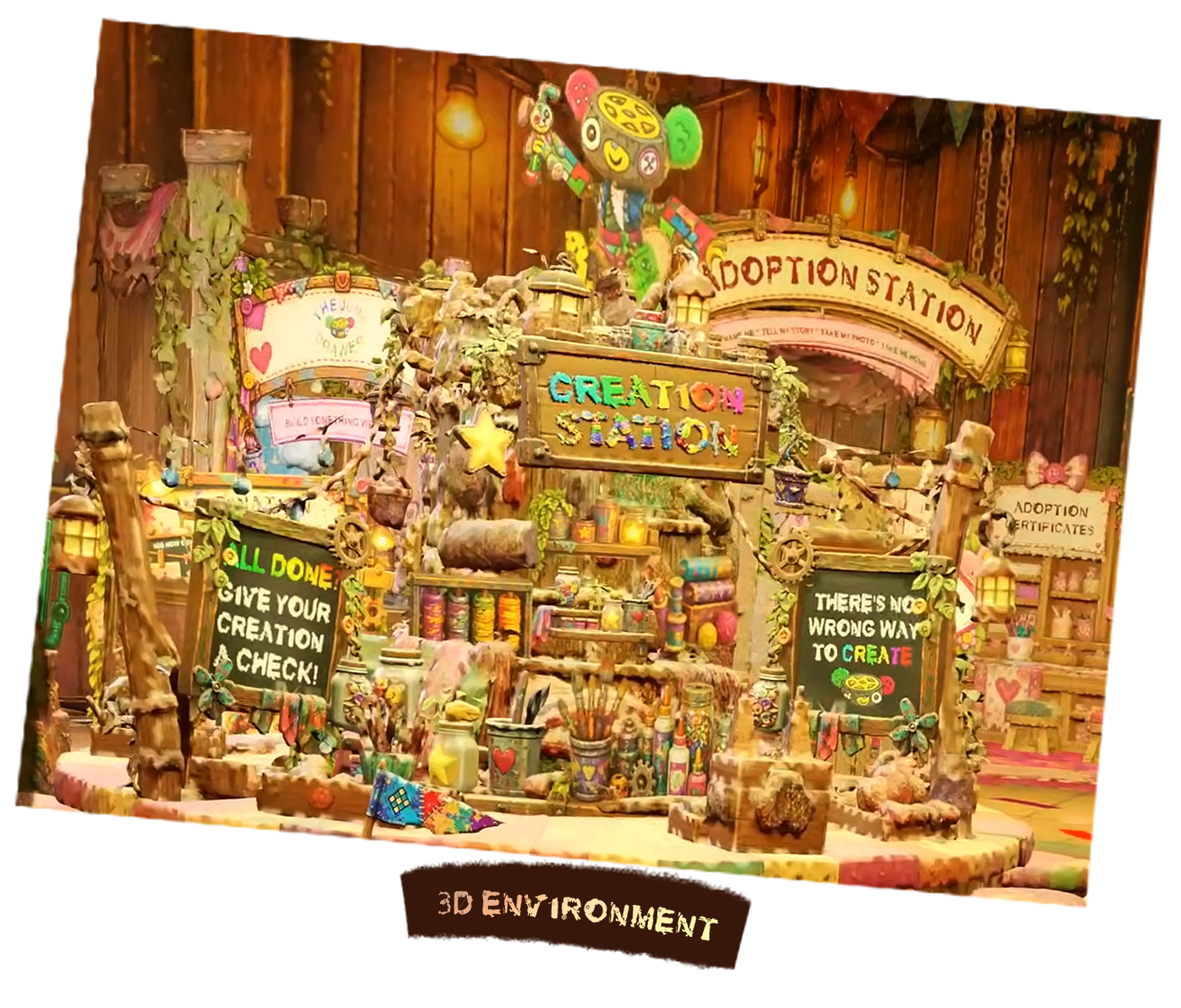
3D visualization of The Junk Drawer Creation and Adoption stations.

The original project established the world, characters, and visual identity of The Junk Drawer.

Revisiting the concept through an experiential-design lens revealed an opportunity to explore a question the original project hadn’t answered: what would it feel like to actually visit The Junk Drawer?

With that question in mind, I began translating the world of The Junk Drawer into a fully realized 3D store environment, considering how spatial layout, wayfinding, environmental graphics, and interactive touchpoints could shape the visitor experience.

The Junk Journey

The Junk Journey

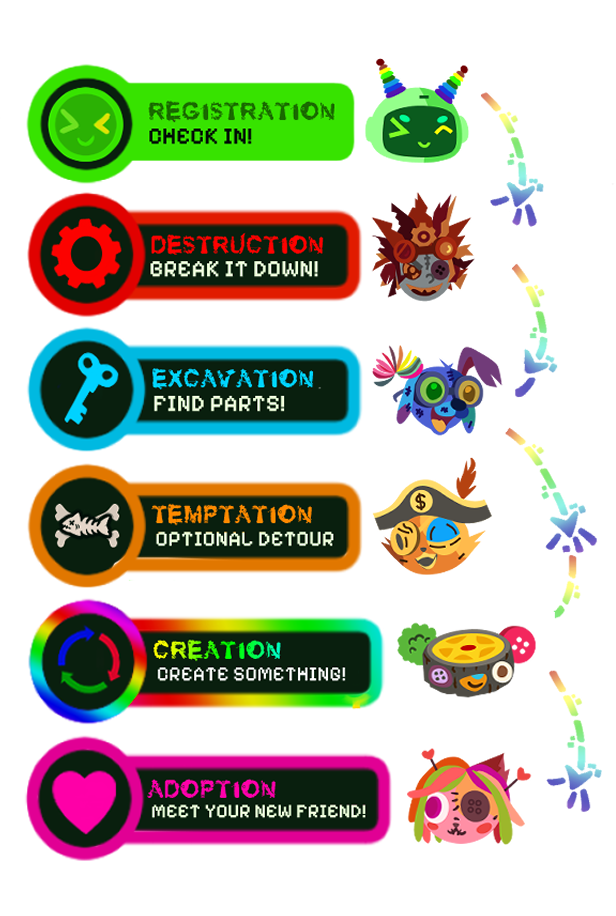
Visitors navigate the store through a six-station Junk Journey, with each station featuring charismatic characters and a distinct visual identity to guide the experience.

Playful wayfinding graphics, signage, and environmental elements encourage creativity and exploration, guiding visitors through the process of transforming discarded objects into unique, lovable creatures of their own making.

Imagination Starts Here
The six stages of The Junk Journey: Registration, Destruction, Excavation, Temptation, Creation, and Adoption.
Designing the Flow

Rather than treating each station as an isolated attraction, I designed the experience as a connected journey.

Each destination introduces a different form of participation while signage, characters, color coding, and recurring visual cues help visitors understand where they've been and where to go next within the space.

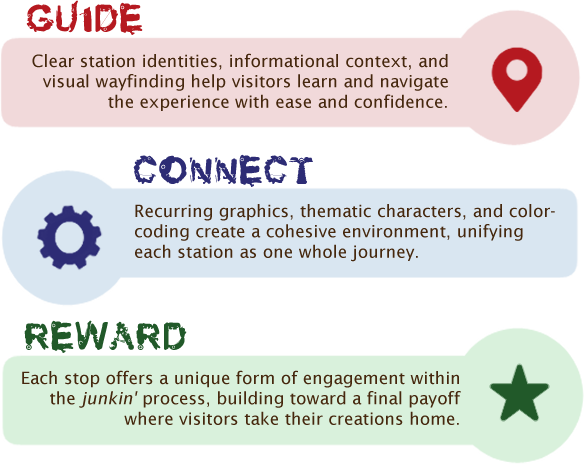
Three principles guide the journey: Guide, using clear station identities and visual wayfinding; Connect, using recurring graphics, characters, and color coding; and Reward, giving each stop a unique form of engagement that builds toward the final creation.

Registration Station

1 — Registration Station

The store experience begins once a guest enters the space. A welcoming sign and wayfinding leads them over to the Registration Station, where visitors check in to The Junk Drawer, learn about the Junk Journey process, and gain tools they'll use throughout the experience.

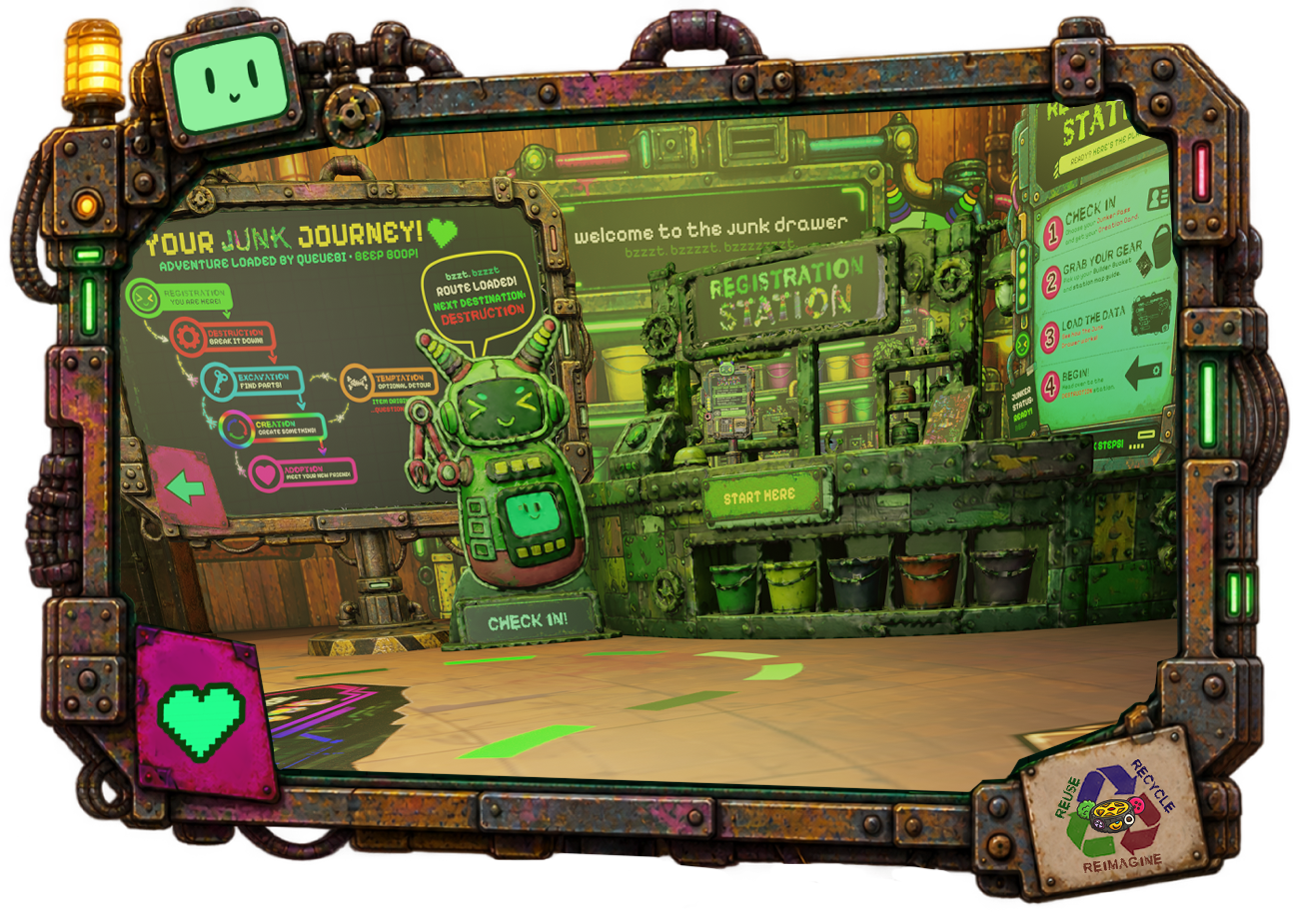
Registration Station environment showing the Junk Journey map, Queuebi check-in area, registration signage, and visitor wayfinding.
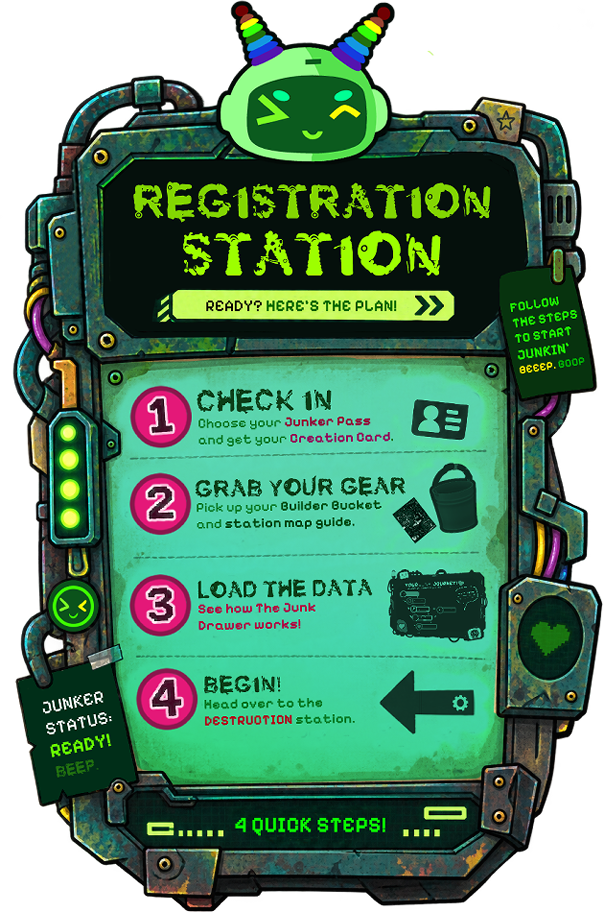
Registration Station guide explaining four steps: check in, grab your gear, load the data, and begin.
A large, clear visual guide introduces the steps and sets the expectations for the experience while maintaining a playful and approachable format.
Setting the Journey
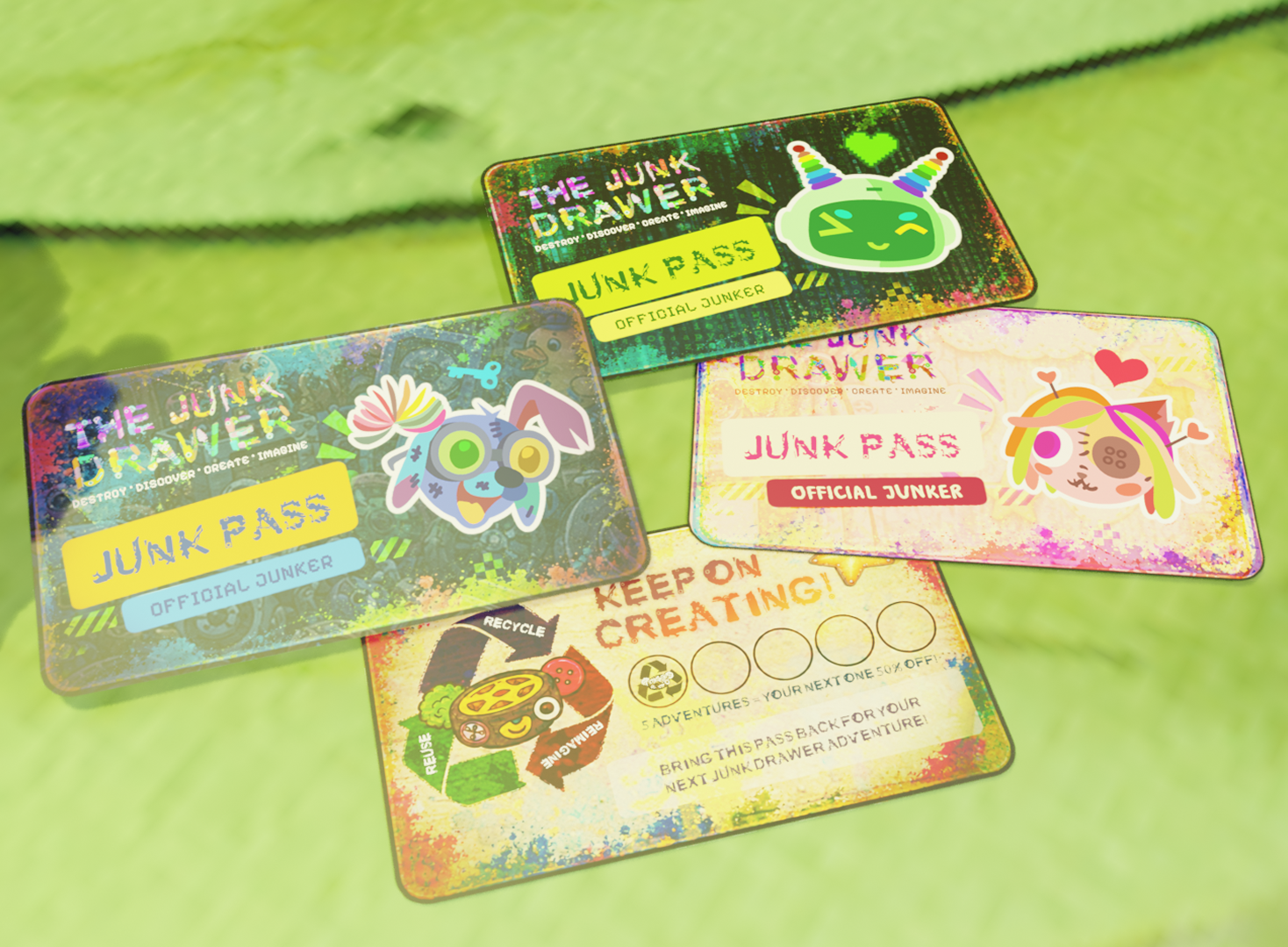
A collection of themed Junk Passes and a Creation Card used during the Junk Journey.
Guests receive a Junk Pass at registration and select a themed character card, introducing personalization from the beginning of the journey. A loyalty system on the reverse encourages future visits through collectible stamps and rewards.
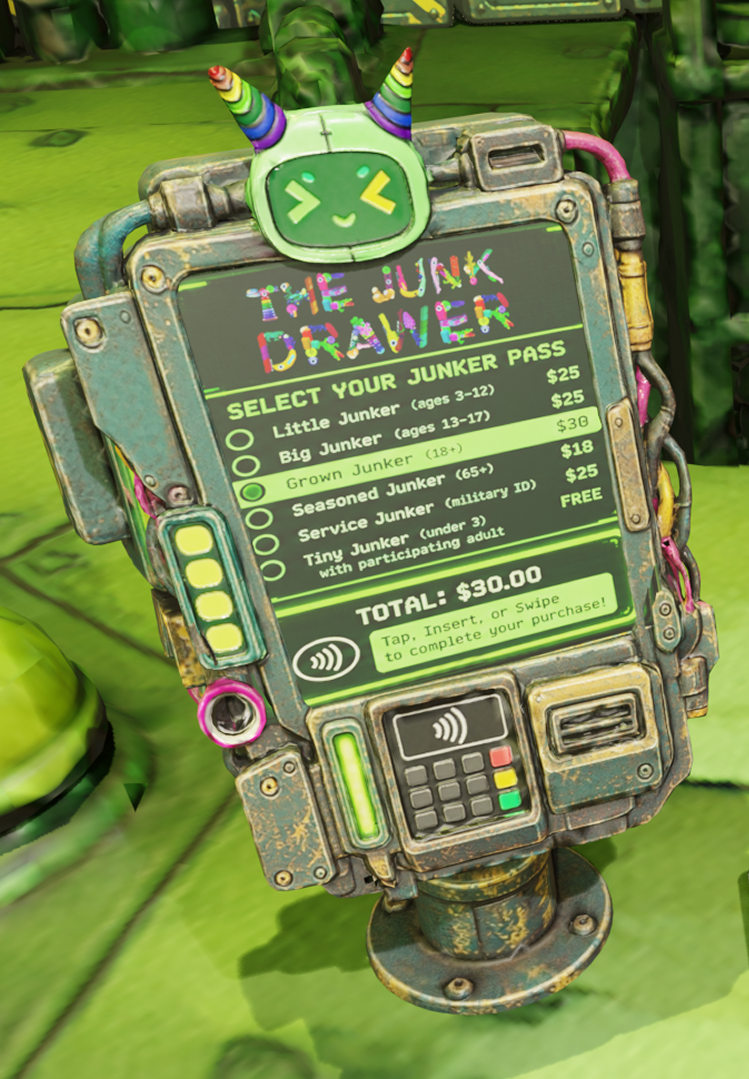
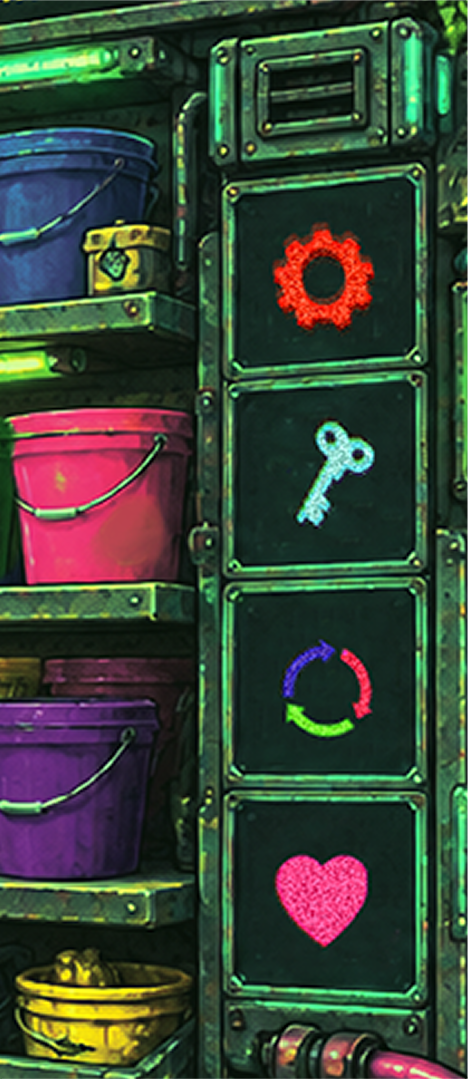
Junk Drawer registration kiosk displaying visitor pass options. Color-coded station symbols and material buckets used throughout the store.
From signage to material displays, every element reinforces the station's welcoming tone and invites visitors to begin their creative journey with confidence.

Destruction Station

2 — Destruction Station

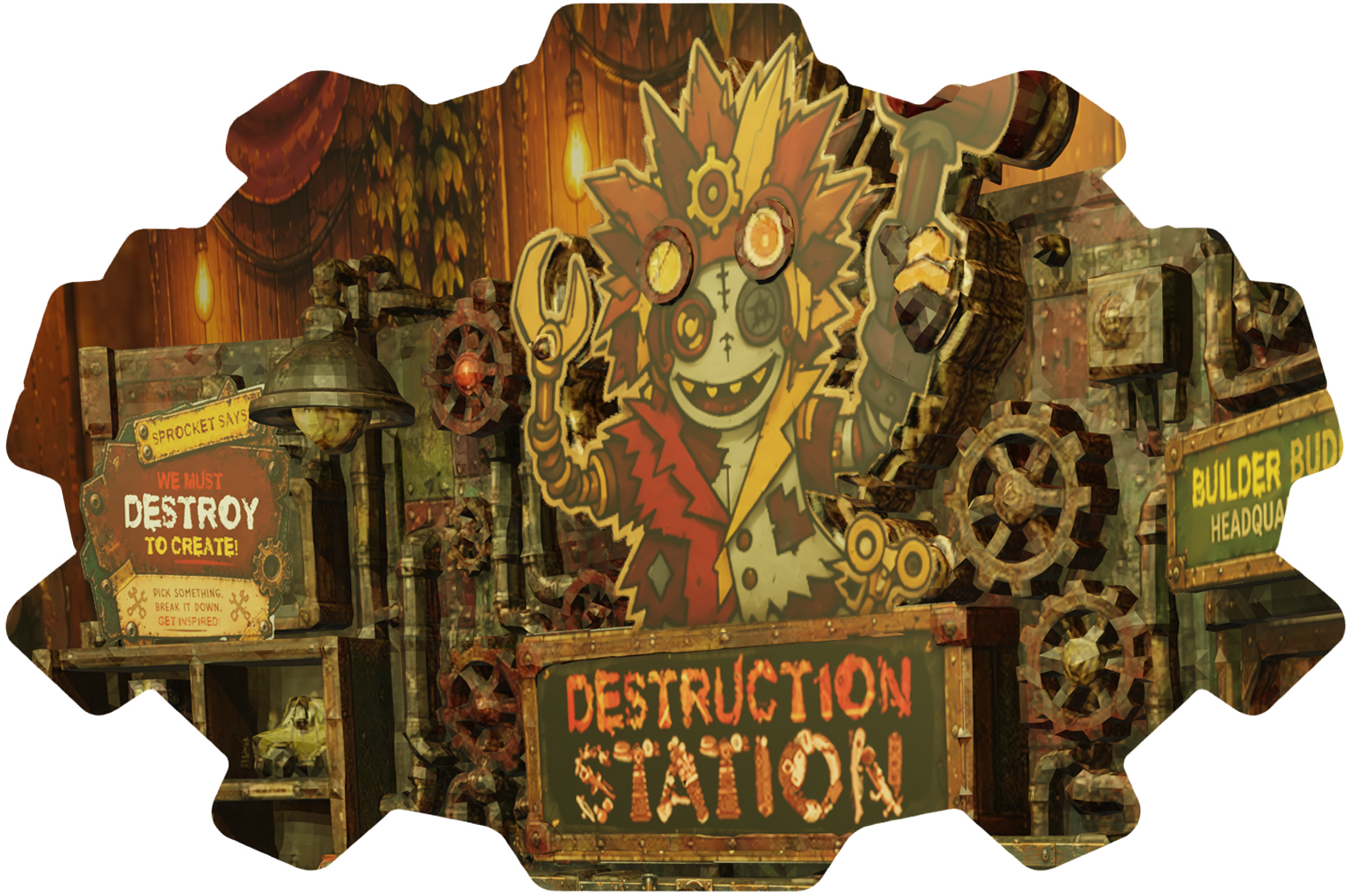
At Destruction Station, visitors dismantle pre-approved toys, stuffed animals, and other small objects to uncover how they're constructed and discover reusable parts within. The hands-on process reveals the “anatomy” of objects normally understood only as complete things, encouraging experimentation as guests select components that inspire the foundation of something new.

Destruction Station environment featuring Sprocket, mechanical gears, workshop signage, and dismantling displays.
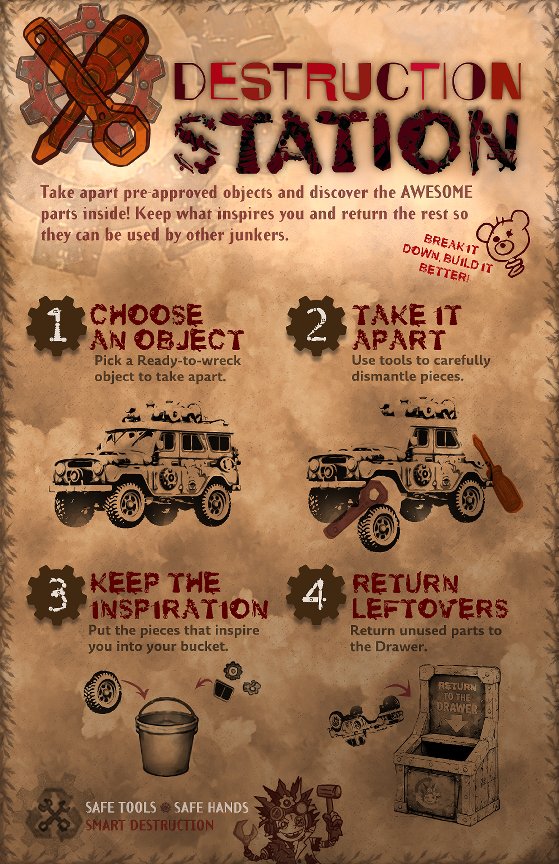
Destruction Station instructional poster showing four steps: choose an object, take it apart, keep the inspiration, and return leftovers.
A four-step instructional poster makes the dismantling process approachable while establishing safe tool use and reinforcing the station's reuse cycle.
Safe Dismantling
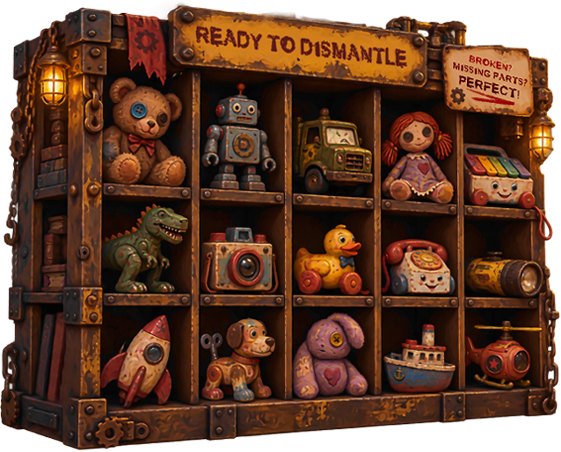
Ready to Dismantle cubicle filled with pre-approved toys and objects.
Pre-approved objects are displayed in a cubicle, inviting visitors to select one for dismantling and exploration.
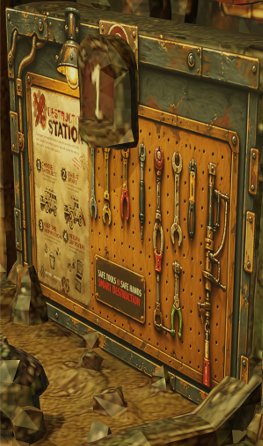
Destruction Station workstation equipped with organized hand tools.
Workstations are equipped with tools for the destruction process, encouraging hands-on interaction and discovery through disassembly.
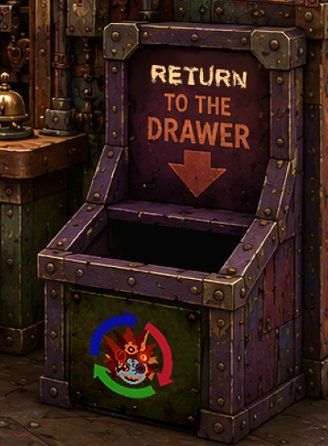
Return to the Drawer bin for unused materials.
Unused materials are returned to The Drawer, where store employees—known as Builder Buddies—sort reusable pieces for the Excavation Station, reinforcing the cycle of reuse, discovery, and creative recycling.

Excavation Station

3 — Excavation Station

At Excavation Station, visitors dig through bins of random junk pieces and repurposed materials to find the perfect parts for their junk creature.

This station gives new life to assorted parts, obtained from Destruction or safely donated by outside sources, turning leftover components into a treasure hunt full of unexpected possibilities and inspiration, where a wide variety of shapes, textures, and functions are collected and combined to form an unexpected friend.

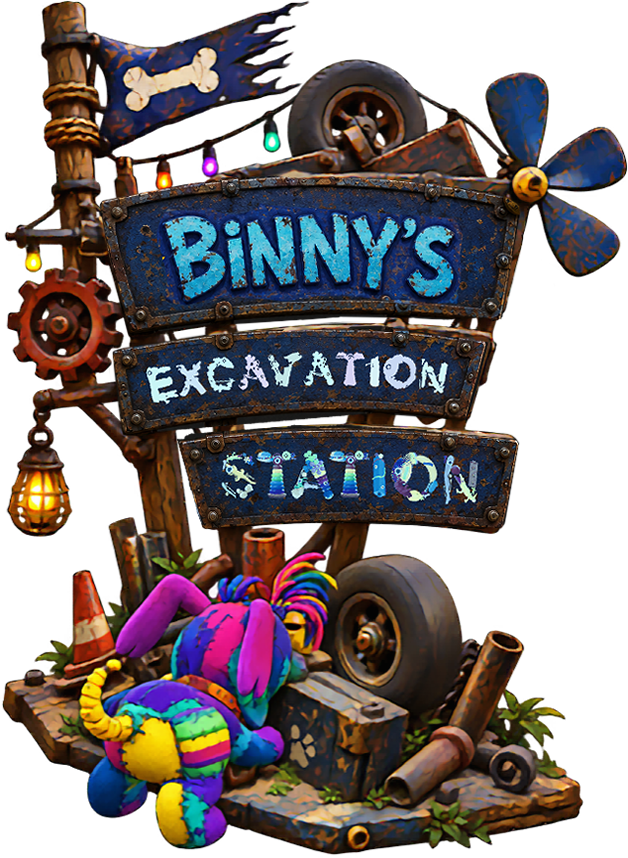
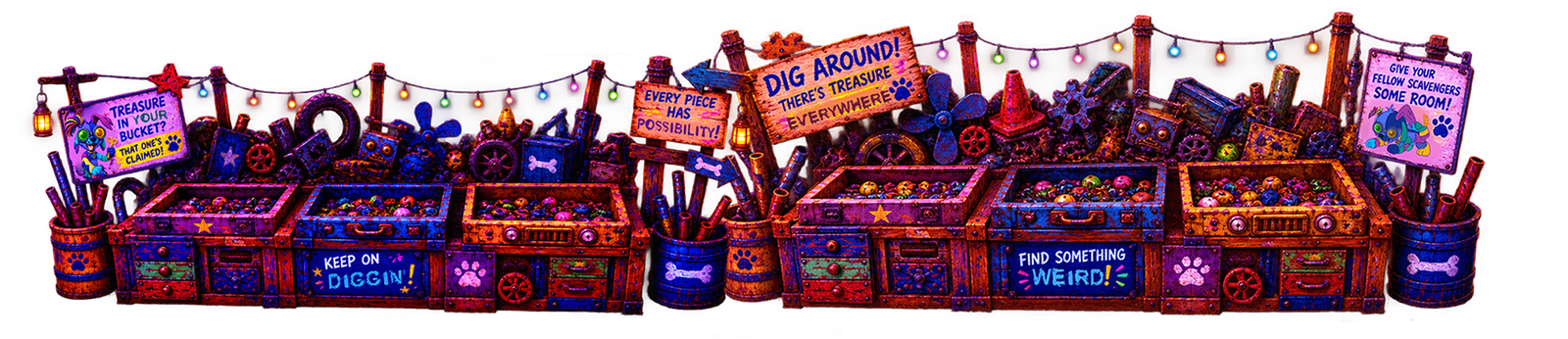
Binny's Excavation Station environmental sign
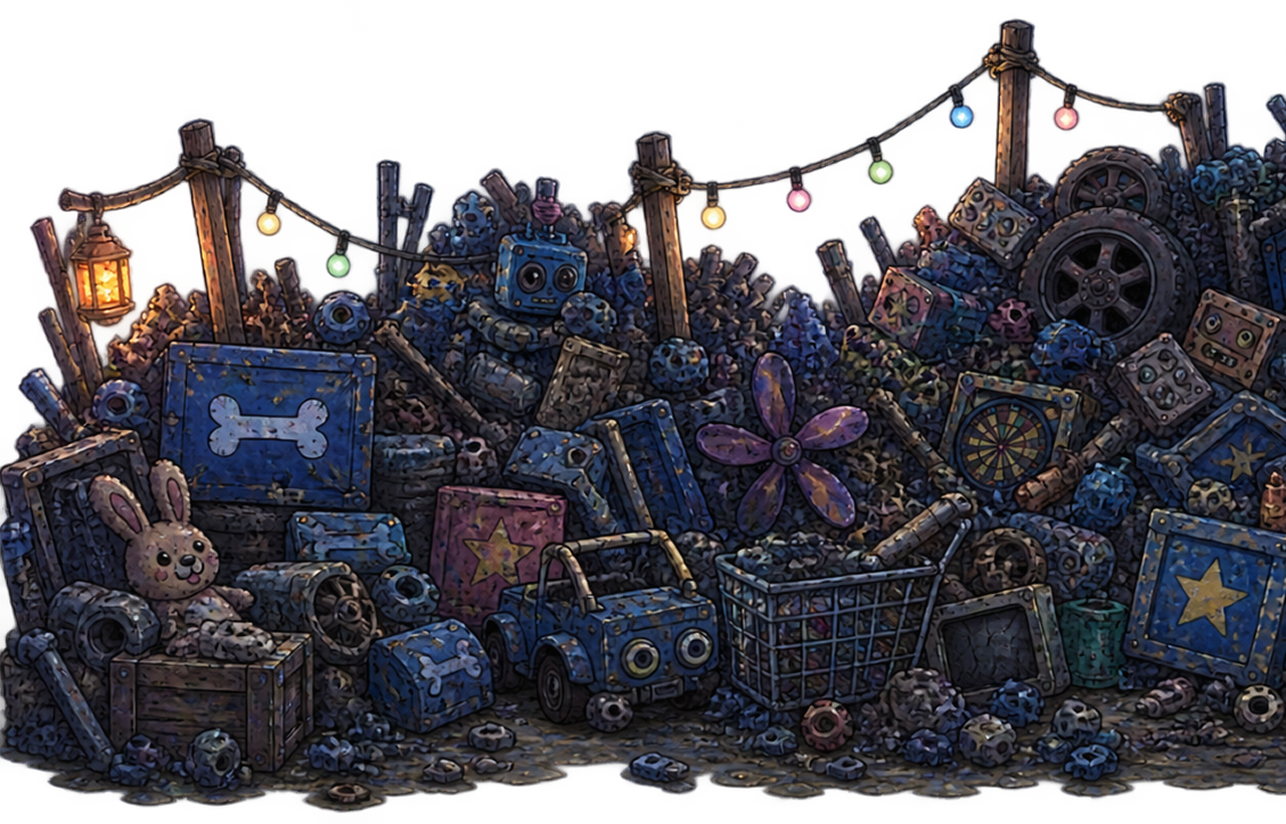
Excavation Station environment featuring piles of reusable objects, discarded materials, string lights, and scavenging bins.
Designed for Discovery
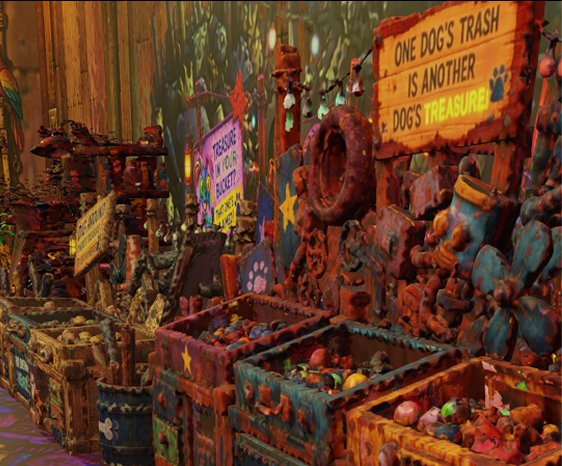
Excavation Station collection bins filled with reusable junk materials.
Junk materials are distributed across multiple collection bins, giving several guests room to dig simultaneously while reducing crowding and competition for parts.
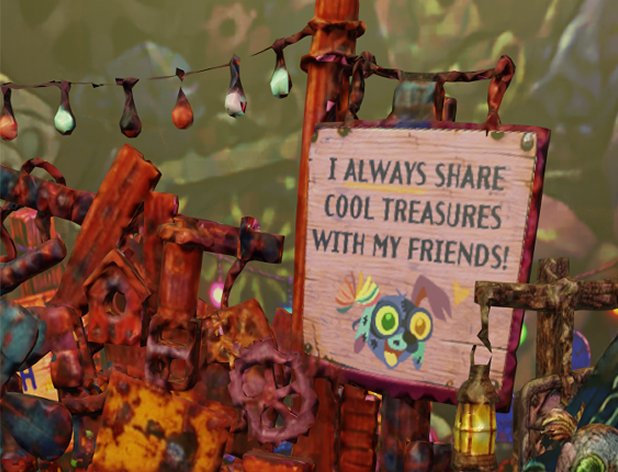
Character-led Excavation Station sign encouraging guests to share discoveries with other visitors.
Friendly character-led signage encourages guests to share materials and consider others, establishing kindness and cooperative behavior as part of the scavenging experience.
Wide Excavation Station system of colorful material collection bins designed for simultaneous use by multiple visitors. Designed for Shared Use

The station stretches across the surrounding wall rather than occupying a single concentrated area, creating multiple access points while keeping circulation open between Excavation, Creation, and Temptation as guests move back and forth for materials.

4 Temptation Station

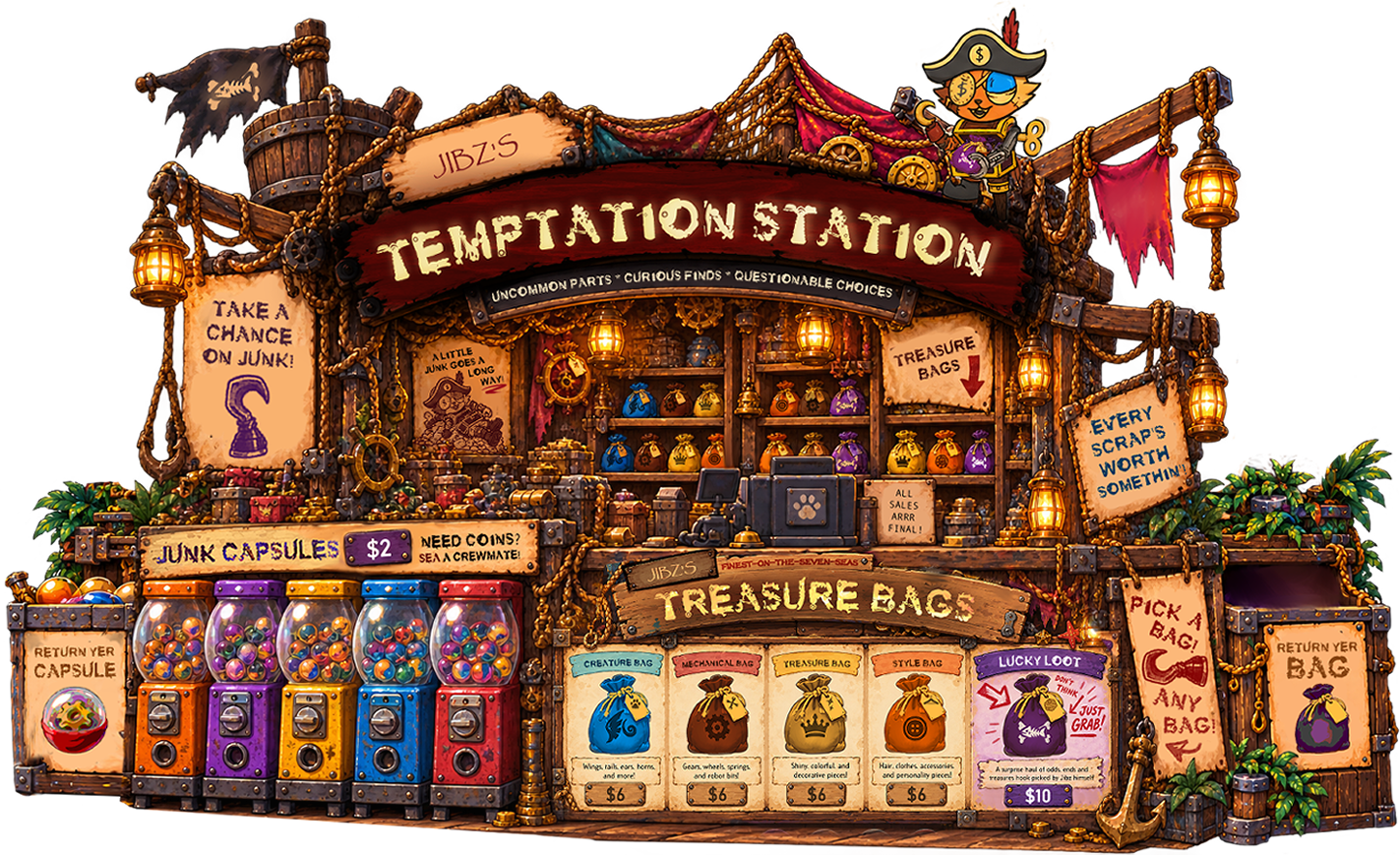
Temptation Station is an optional stop within the Junk Journey, offering themed treasure bags and surprise Junk Capsules for junkers interested in additional styling and customization.

The station was designed as an enhancement rather than a requirement, allowing guests to create complete junk creatures without needing to make an additional purchase here. For those who choose to participate, the station offers greater choice, surprise treasures, and personalization while maintaining the store's ideology on reuse.

Optional by design — extra purchases expand customization without determining whether a guest can complete their creation.
Temptation Station environment featuring Jibz's treasure bags and Junk Capsule machines.
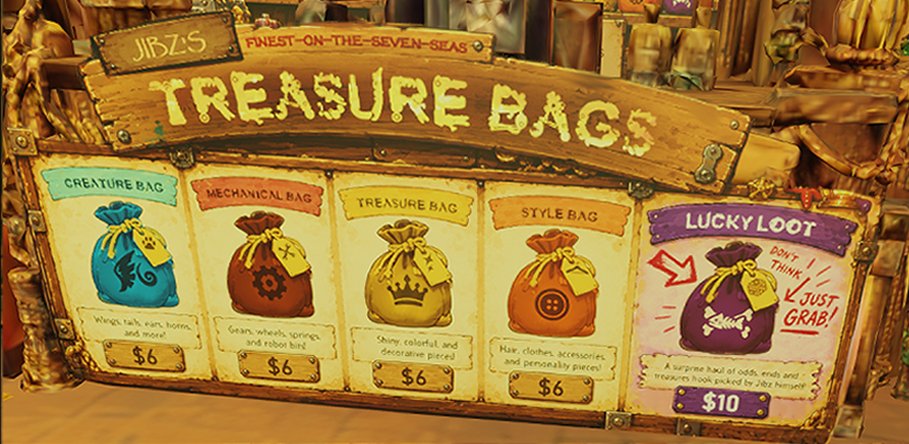
Display of themed Treasure Bags available at Temptation Station.

Themed Treasure Bags let guests intentionally choose additional parts based on the direction of their creation, offering customization without making upgrades necessary to participate.

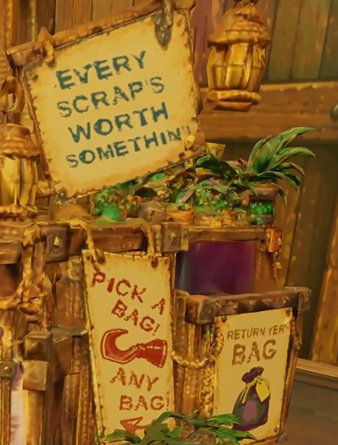
Playful Temptation Station signage encouraging guests to pick and return treasure bags.

Playful signage reinforces Jibz's treasure-hunting personality, framing the station around curiosity and discovery rather than conventional retail messaging.

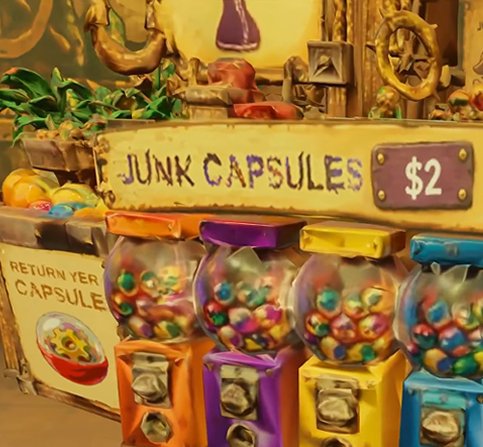
Colorful Junk Capsule machines at Temptation Station.

Junk Capsules offer a lower-cost, randomized alternative for guests who want an extra surprise, expanding the station's choices without making purchases essential to the experience.

5 Creation Station

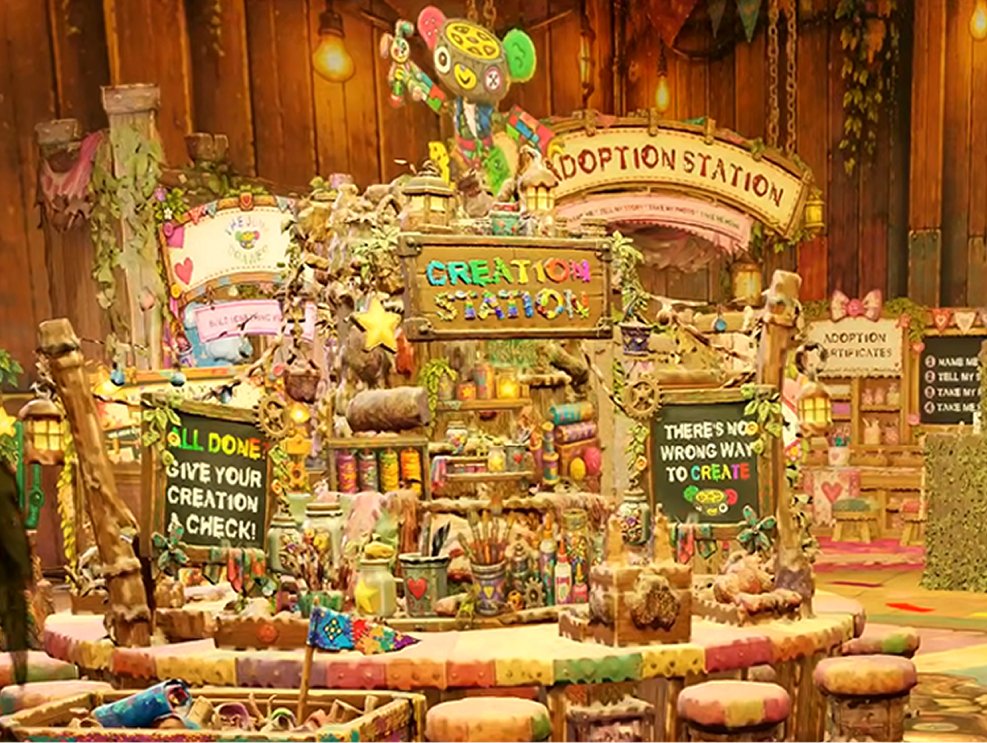
At Creation Station, junkers transform their collected parts into their own junk creatures using a wide variety of safe materials and crafting tools.

This hands-on space encourages experimentation, problem-solving, and self-expression as guests bring their ideas to life through customization, combination, and creativity.

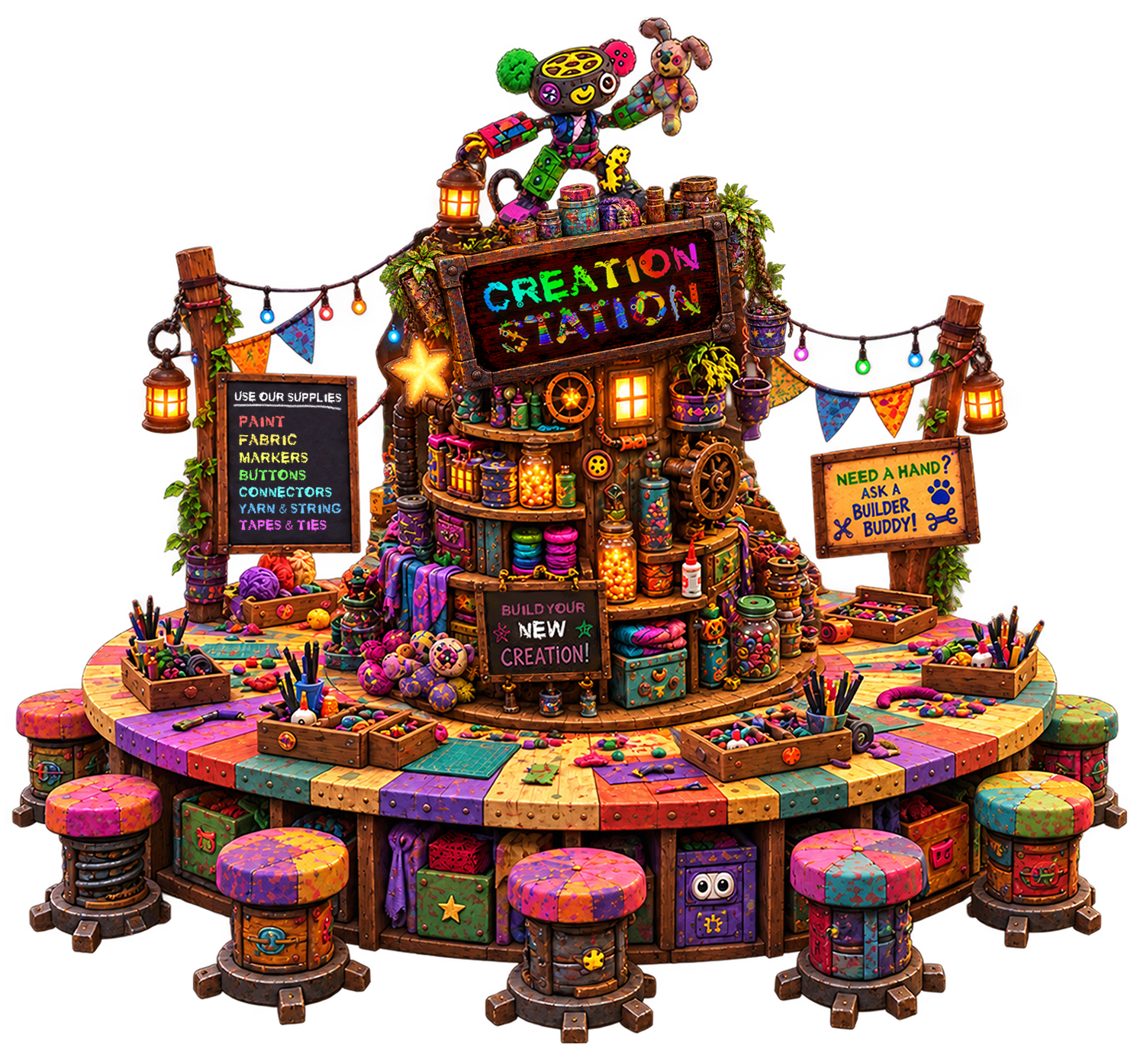
Creation Station circular crafting environment filled with supplies, workspaces, and colorful materials.
A Central Creative Hub Creation Station positioned centrally between surrounding areas of the store.

Creation Station was designed as a playful, treehouse-like hub where guests can settle in and create together. Its open, central placement maintains sightlines to nearby stations, allowing visitors to move freely between Creation, Excavation, and Temptation as new ideas emerge throughout the building process.

Interactive Workstation Individual seating and workspaces surrounding Creation Station.

Circular seating gives each guest an individual workspace while keeping everyone part of a shared making environment. Supplies remain accessible without separating visitors from the activity around them.

Along the Way

Designing The Junk Drawer as a physical space meant looking beyond the six main stations and considering the experience from a guest's perspective. What might visitors need, where could they encounter difficulties, and how could the environment respond? Asking these questions led to additional features that support the flow of materials, encourage creativity, and make the overall experience more intuitive.

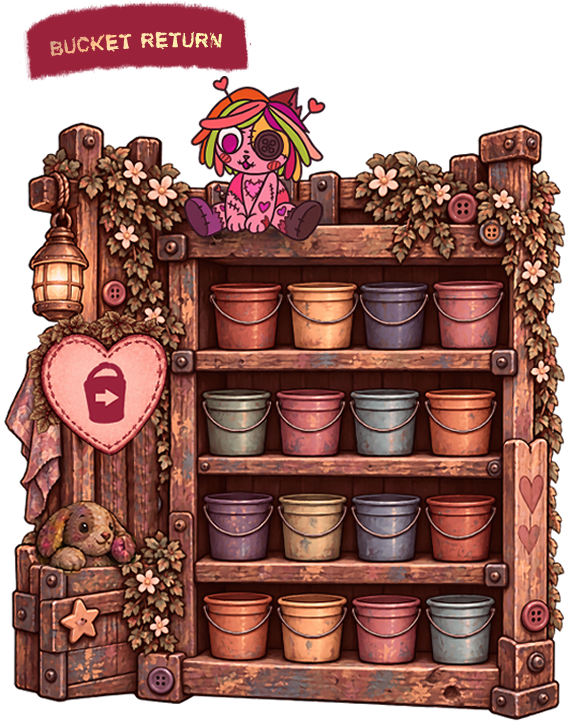
Bucket Return area for returning empty Builder Buckets.

Once a guest is happy with their creation, they return their now-empty Builder Bucket before continuing to Adoption Station. Because buckets are only needed during the building portion of the journey, a dedicated return point keeps them circulating for future guests rather than carrying unnecessary equipment into the final experience.

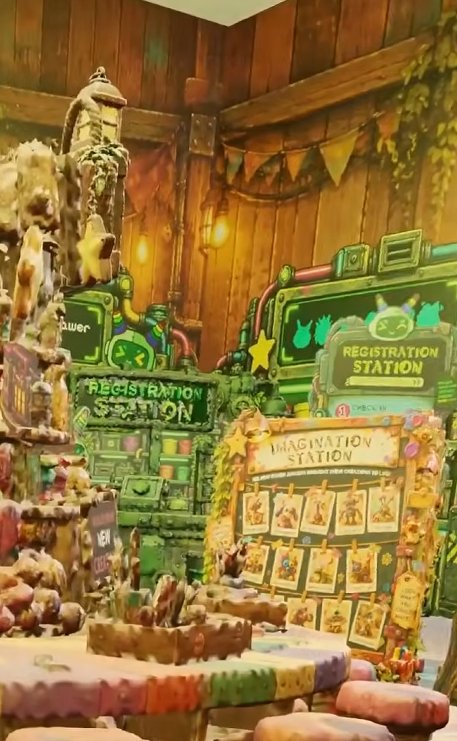
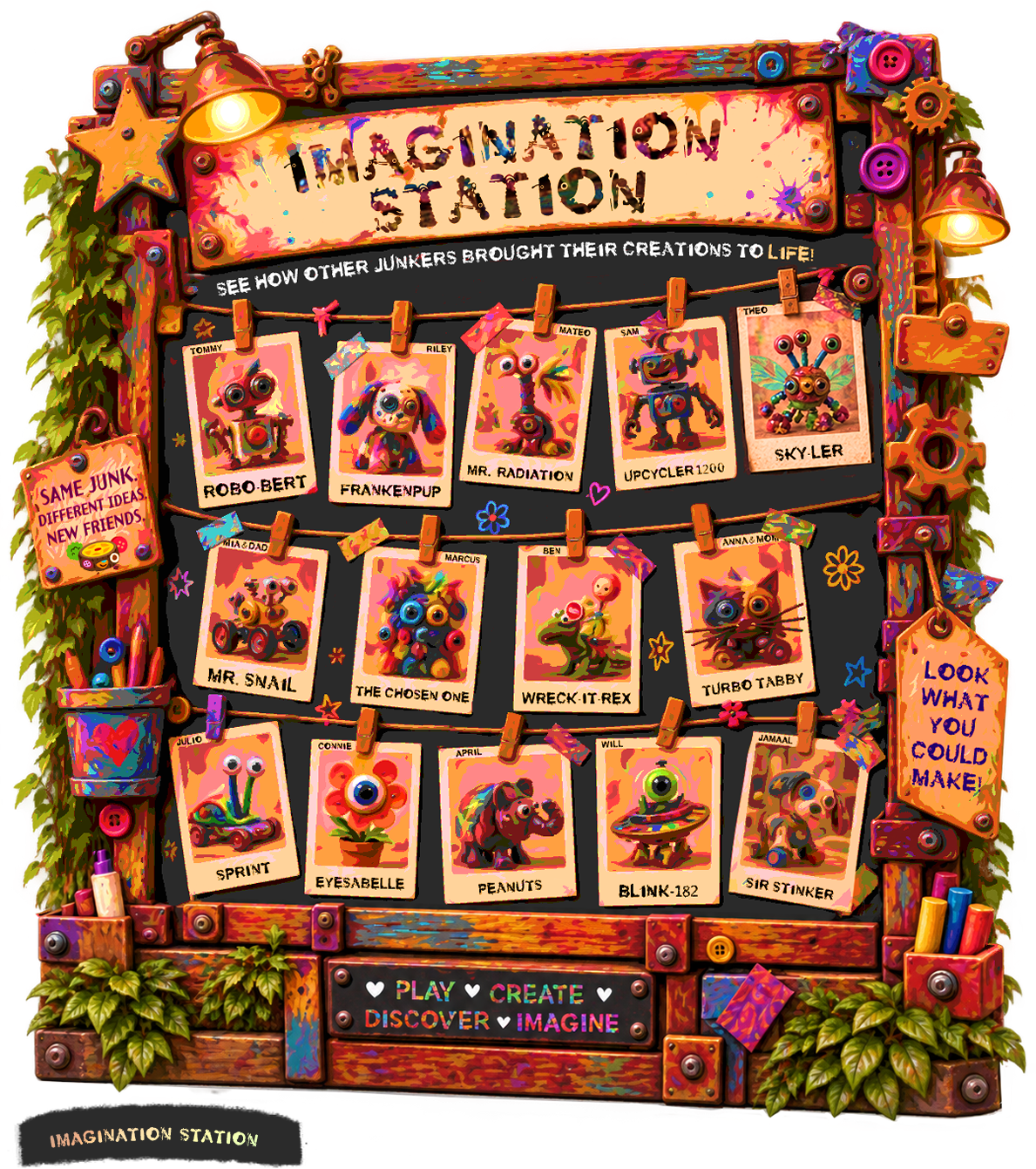
Imagination Station displaying creations made by previous visitors.

Open-ended creativity—especially after collecting materials and beginning the build phase—can feel overwhelming. Located beside Creation Station, Imagination Station provides an evolving gallery of completed junk creatures made by other visitors, turning examples of past creations into encouragement for new ones and bringing the store's “Reuse, Recycle, Reimagine” philosophy full circle.

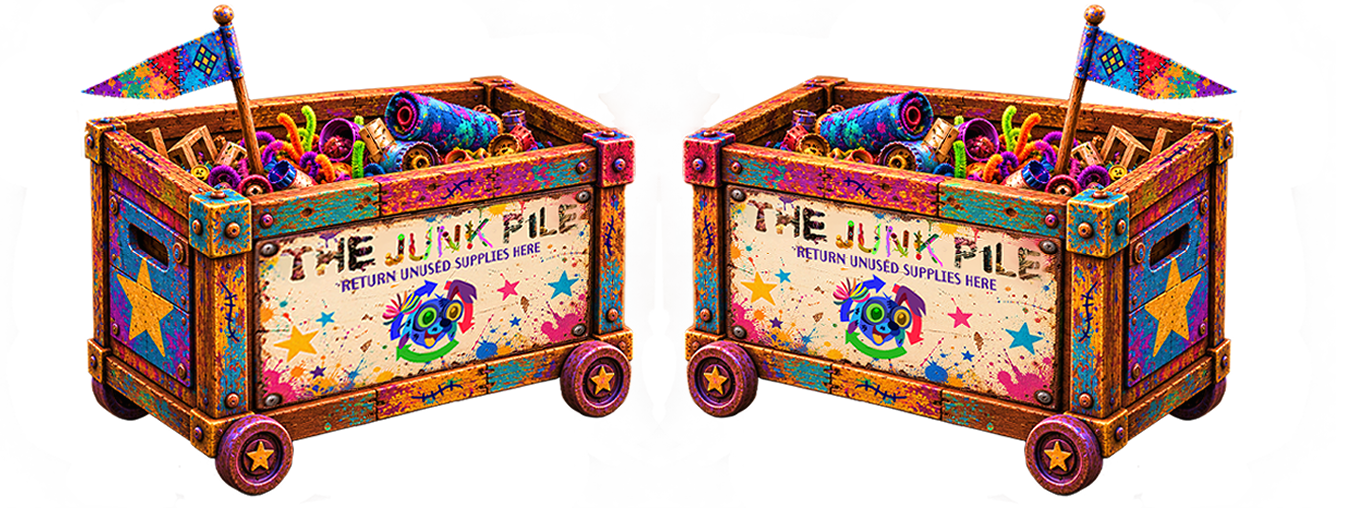
Two mobile Binny carts for collecting unused materials.
Binny Carts

Mobile Binny carts provide nearby return points for unwanted pieces and parts, reducing clutter around the Creation Station while keeping reusable materials in circulation.

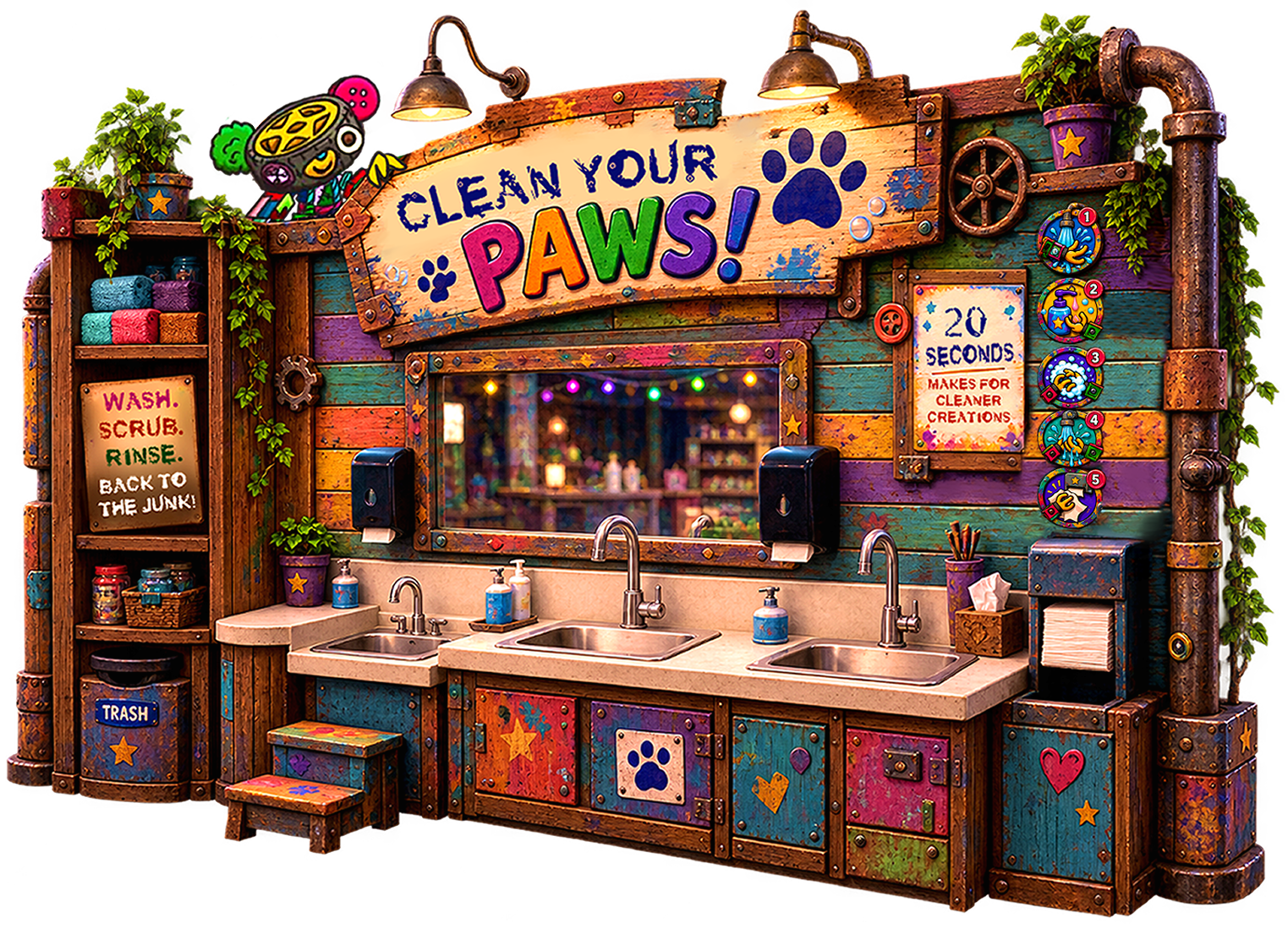
Clean Your Paws washing station for guests.
Washing Station

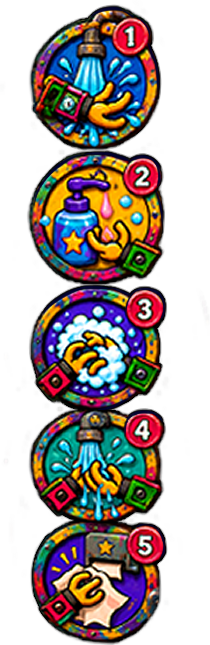
Hands-on dismantling and building can get messy, so a dedicated wash station gives guests an intuitive cleanup point before continuing to Adoption. Multilingual instructions and playful graphics make handwashing feel like part of the experience rather than an interruption.

Illustrated handwashing instructions.
6 Adoption Station

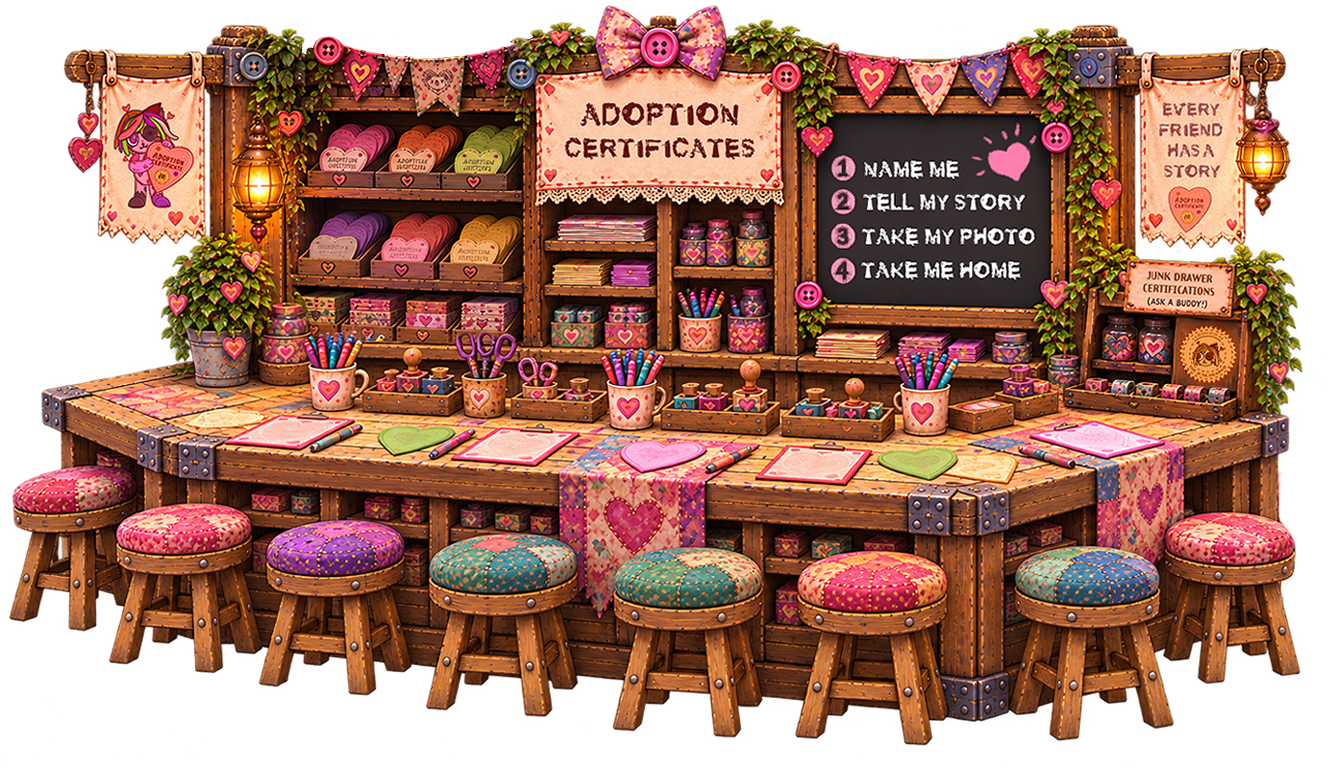
The final stop of the Junk Journey shifts from making to meaning, inviting guests to slow down and see their finished creation as more than assembled materials. Through naming, storytelling, and playful interactions, guests begin to imagine their new friend's personality and identity.

Adoption certificates, imaginative photo opportunities, and take-home packaging extend the experience beyond creation, transforming a unique junk creature into a lasting companion and memory.

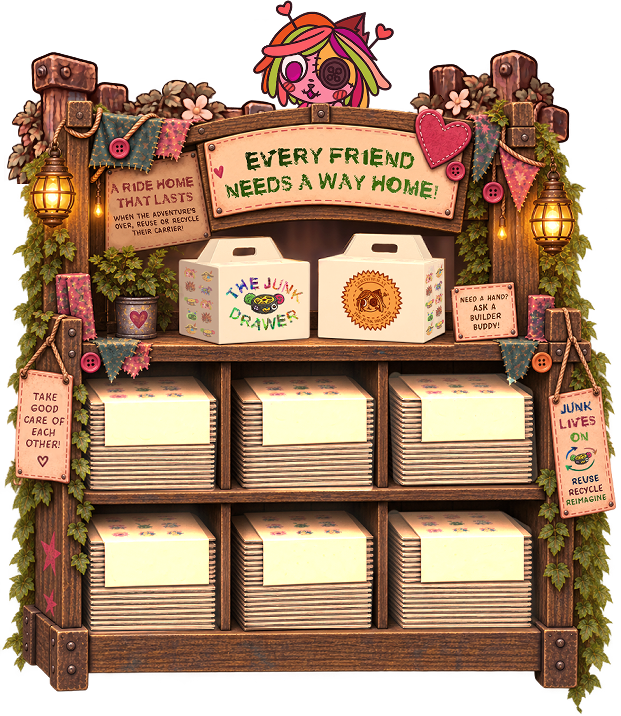
Junk Drawer take-home packaging and certificate station
Formed for Friendship

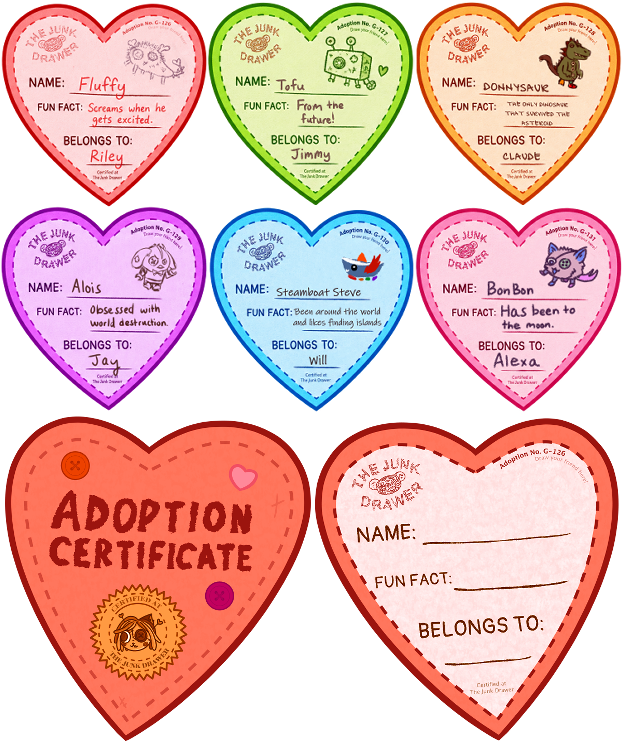
Guests give their creation a name, backstory, and personality through an official adoption certificate. This activity turns a finished build into a character, encouraging emotional attachment and a sense of pride in their junk friend.

Heart-shaped adoption certificates
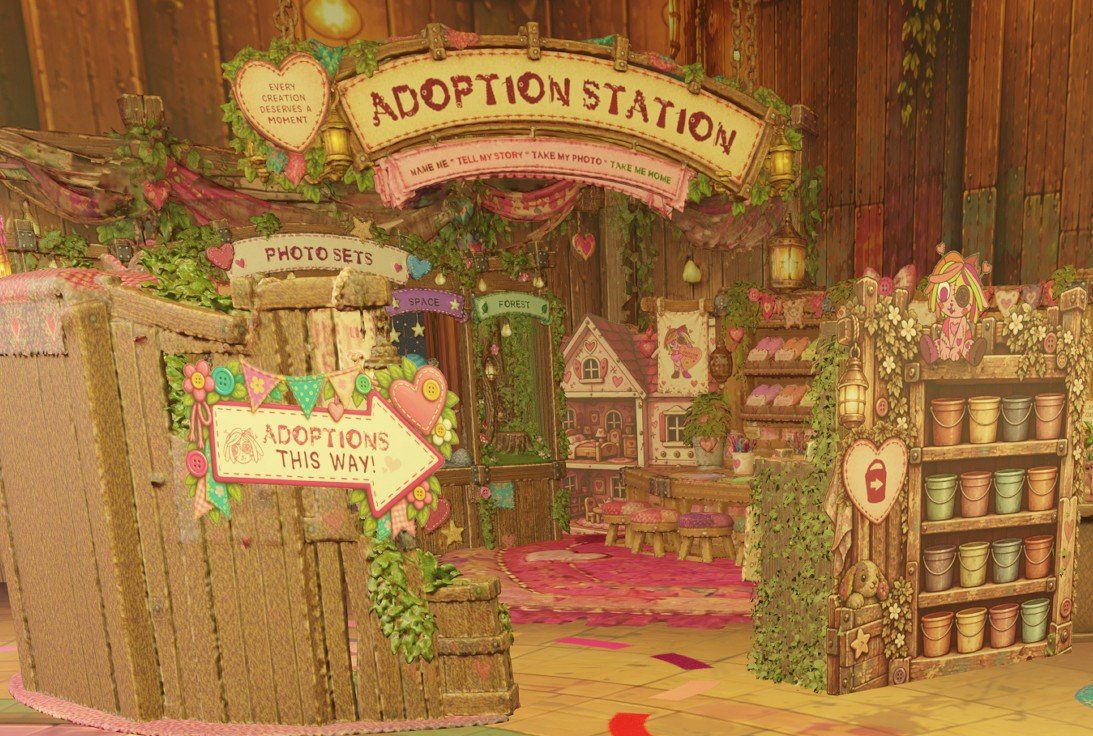
Entrance to the Adoption Station

Wayfinding leads guests into the Adoption Station, where a more enclosed environment creates a quieter, more personal setting for the final stage of the Junk Journey.

Strike a Pose

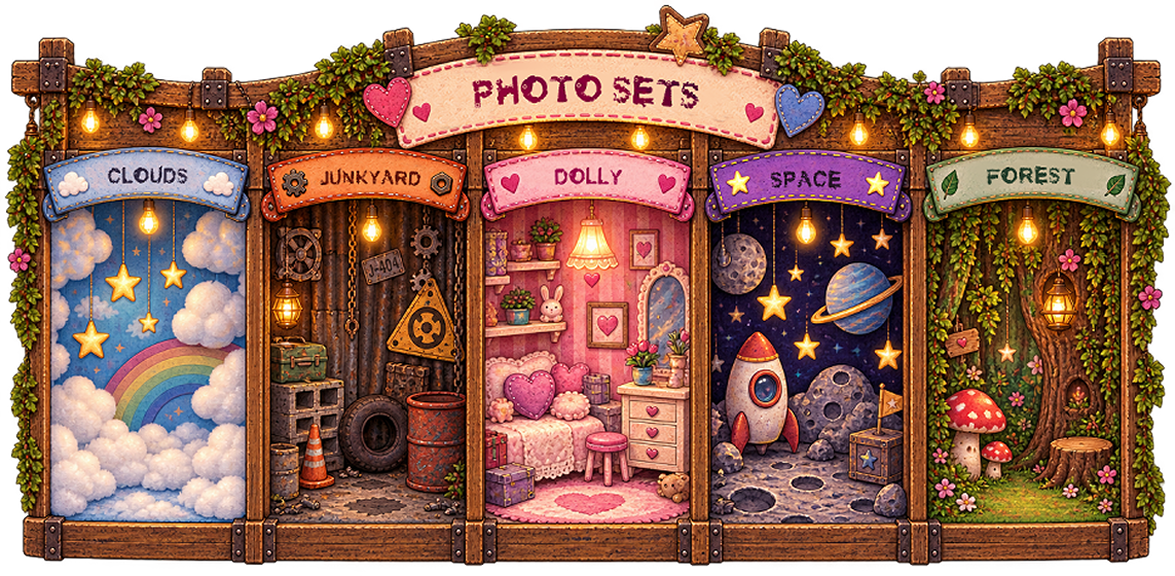
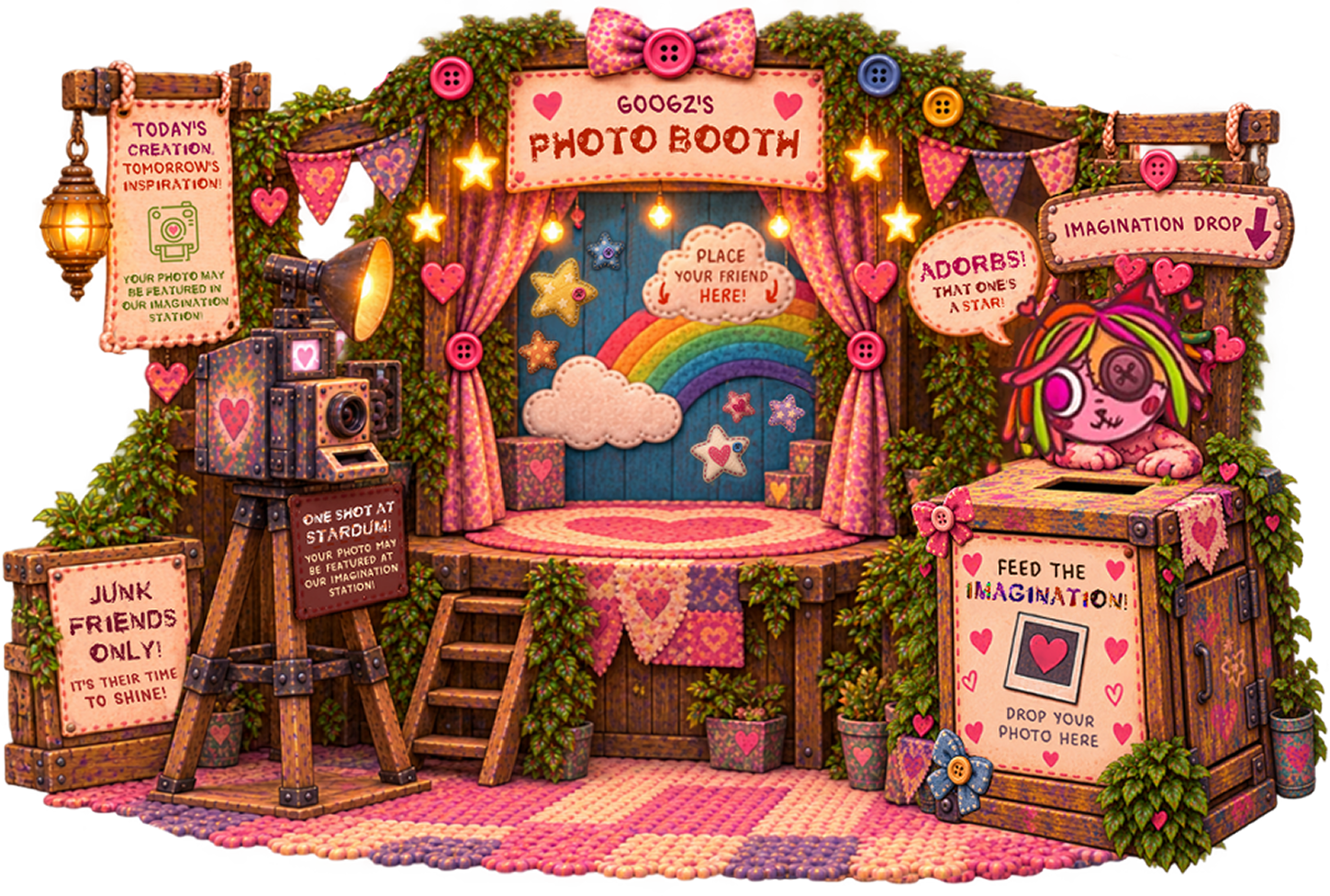
Guests can celebrate their new junk friends through themed photo sets and Googz's interactive photo booth. These playful experiences invite guests to imagine where their creations might live, how they might behave, and what makes each one unique, while capturing a personalized keepsake to remember their visit.

Themed photo sets

Miniature themed environments provide imaginative backdrops for guests to photograph their junk creatures, from dreamy cloudscapes to enchanted forests. Each setting encourages playful storytelling, allowing guests to place their creations into little worlds that reflect their imagined personalities.

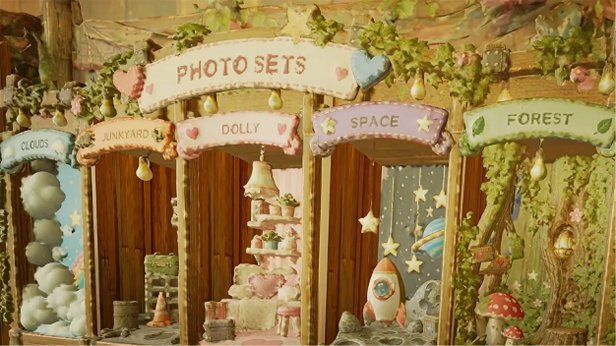
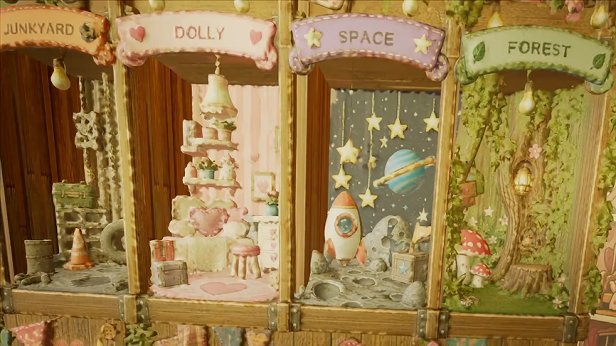
Photo sets inside the Adoption Station Photo sets inside the Adoption Station

Photo sets translated into the 3D environment, preserving each theme’s distinct visual identity.

Googz's Photo Booth and Imagination Drop
Imagination Drop

The Imagination Station was created for guests who may need reassurance or inspiration during the junk-creation process.
While developing Googz’s Photo Booth, I saw an opportunity to extend that idea into a creative cycle: guests can contribute a photo of their finished creation to the same inspiration board using the Imagination Drop. Today’s creation becomes tomorrow’s inspiration, allowing each visitor to contribute to the creative junk journey of the next.

Ready for Home

Before leaving, guests package their new junk friend in a dedicated Junk Drawer take-home carrier, completing the transition from loose discarded materials to a creation worth caring for and bringing home.

Junk Drawer take-home packaging station
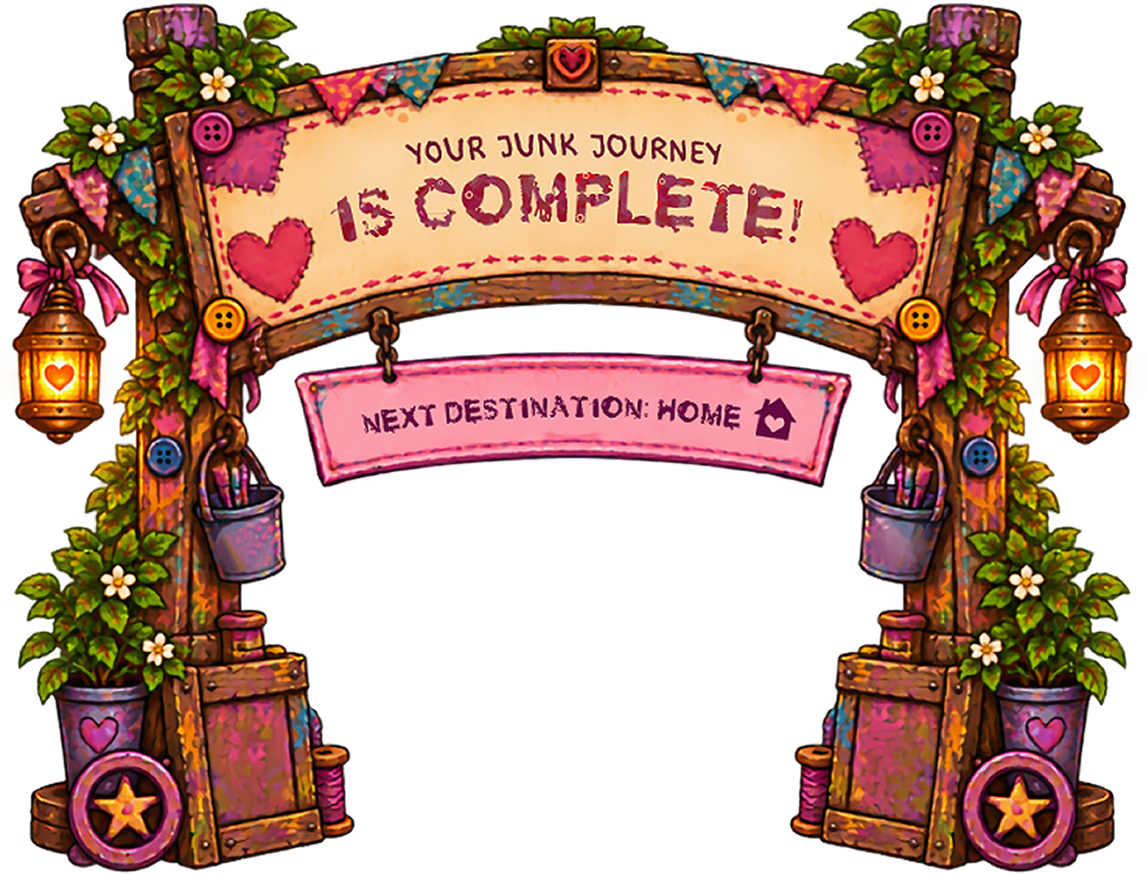
Your Junk Journey is Complete exit arch

The exit arch marks the completion of the journey, sending guests home with a final sense of accomplishment—and a new friend made entirely from what others left behind.

What began as a fictional storefront created for a branding exercise eventually became an opportunity to ask a larger question: how would this world function beyond the screen?

Returning to The Junk Drawer through the lens of experiential design meant moving beyond its original visual identity and considering how people would actually navigate, interact with, and contribute to the world. Spatial planning, environmental graphics, character design, wayfinding, accessibility, and real-world guest behaviors transformed the concept from a playful premise into a complete physical experience.

In the process, the project itself began to reflect the philosophy at its center: Reuse. Recycle. Reimagine. An existing idea was revisited, expanded, and given a new purpose—becoming an exploration of how discarded materials, unexpected possibilities, and playful design can turn almost anything into something worth keeping.
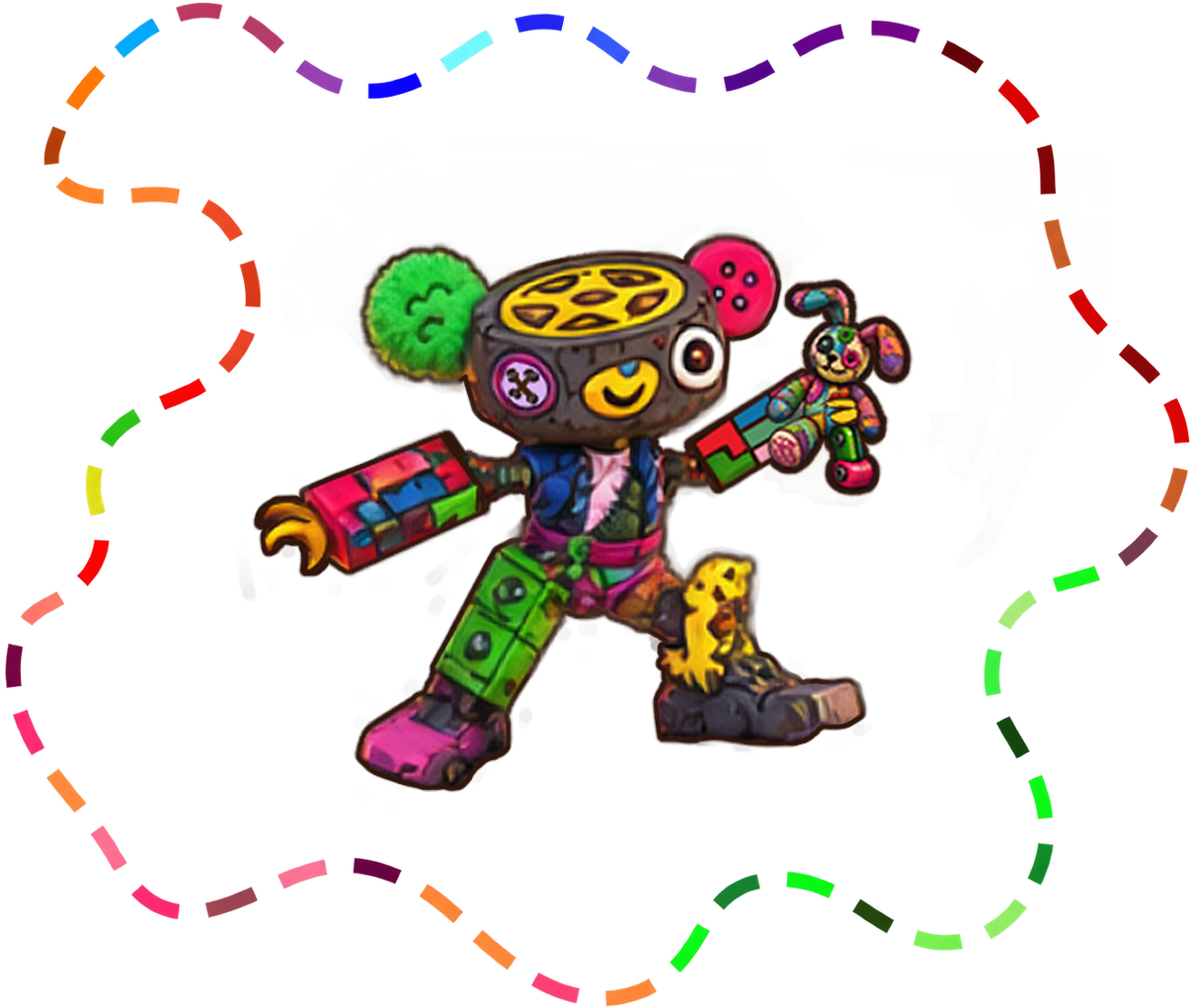
Scrapster surrounded by the colorful Junk Journey path
Experience The Junk Drawer Yourself
Back to top